Late October 2002
The Dubrovka Siege
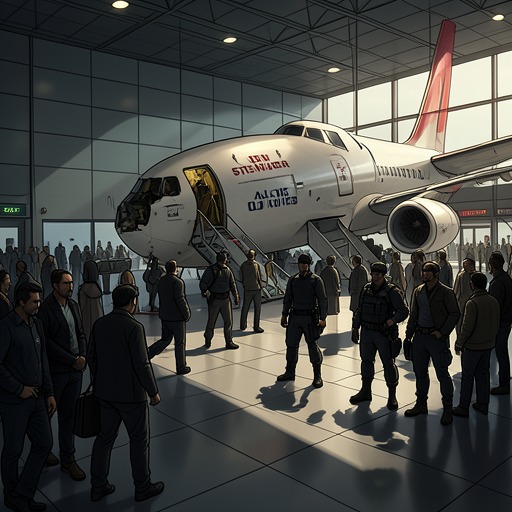
In [Moscow](entity:location-recall-location-19aceb5ce281), Chechen militants seized the [Dubrovka Theater](entity:location-recall-location-de5974f15050) during a performance, holding hundreds of people for fifty-seven hours. Russian forces ended the siege by pumping gas into the building before storming it; 129 hostages died, many because the rescuers failed to tell doctors what the victims had inhaled.
[Henry Pelham](entity:character-recall-character-henry-pelham-90e450bade8b) watched the aftermath shape American policy. The United States softened its public criticism of Russia, and Henry’s station was ordered to assist Russian security services despite his conviction that the decision would expose vulnerable people to danger.
After the Dubrovka siege in 2002
The Source List
Under orders, [Henry Pelham](entity:character-recall-character-henry-pelham-90e450bade8b) gave the Russian security services names of people in his network, including [Ilyas Shishani](entity:character-recall-character-ilyas-shishani-a2cc91acbf0d), a Chechen source who had provided access to [Moscow](entity:location-recall-location-19aceb5ce281)’s closed community. Henry understood the danger of the disclosure but complied with the policy imposed on him.
Ilyas Shishani soon vanished. Henry’s decision became one of the compromises that haunted him, a betrayal made in the name of institutional duty that later gave Ilyas leverage over him.
After Ilyas Shishani disappeared
Henry’s Protest Letter
Angered by the consequences of the policy, [Henry Pelham](entity:character-recall-character-henry-pelham-90e450bade8b) sent a complaint to headquarters, recording his opposition to the handling of the [Moscow](entity:location-recall-location-19aceb5ce281) crisis. His protest did not undo the disclosure or restore contact with [Ilyas Shishani](entity:character-recall-character-ilyas-shishani-a2cc91acbf0d).
The episode deepened Henry’s disillusionment with the intelligence service. He requested a quieter posting, hoping that a change of place might loosen the grip of Moscow’s compromises.
2002
Celia Arrives in Vienna
[Celia Favreau](entity:character-recall-character-celia-favreau-aaded71536dc) arrived in [Vienna](entity:location-recall-location-vienna-bce4fdda6904) after a successful posting in Dublin, regarding the city as one of Europe’s most civilized capitals. She had already established herself on the street and was assigned to help orient the newly arriving [Henry Pelham](entity:character-recall-character-henry-pelham-90e450bade8b).
Henry came from [Moscow](entity:location-recall-location-19aceb5ce281) burdened by the siege and its aftermath. Their first professional encounters began with her showing him the city and introducing him to the sources he would manage.
2003
A Difficult Introduction
[Henry Pelham](entity:character-recall-character-henry-pelham-90e450bade8b)’s early work in [Vienna](entity:location-recall-location-vienna-bce4fdda6904) included managing Russian sources, but his anger and moral exhaustion sometimes complicated the job. During one meeting, he sharply rebuked a Ukrainian businesswoman who accused the United States of enabling Vladimir Putin; [Celia Favreau](entity:character-recall-character-celia-favreau-aaded71536dc) intervened to calm the encounter.
The source eventually became valuable, and Celia saw that Henry’s emotional intensity could win people over as often as it alienated them. Their differences as officers became part of the attraction between them.
2003
Learning the Viennese Nightlife
[Henry Pelham](entity:character-recall-character-henry-pelham-90e450bade8b) took [Celia Favreau](entity:character-recall-character-celia-favreau-aaded71536dc) to clubs after learning that she had enjoyed rave music in Dublin. He endured the pounding music and awkwardly danced beside her, while their friendship developed through nights out and long conversations in [Vienna](entity:location-recall-location-vienna-bce4fdda6904)’s cafés.
Celia continued seeing other men and kept Henry at arm’s length, but his persistence gradually intrigued her. Their closeness grew in the spaces between work, attraction, and the uncertainties they were reluctant to discuss.
Before 2005
The Affair Begins
After [Celia Favreau](entity:character-recall-character-celia-favreau-aaded71536dc) moved into the embassy to work under [Bill Compton](entity:character-recall-character-bill-compton-ecb1f0cfb3e8), her free time became scarcer. The change in their routines helped shift her and [Henry Pelham](entity:character-recall-character-henry-pelham-90e450bade8b) from flirtation into a sexual relationship, first in her apartment after a dinner out.
They formed an intimate but carefully bounded life, keeping belongings at each other’s homes without formally moving in together. Their professional secrecy and personal hesitation left them joined in a relationship neither quite knew how to advance.
By 2005
Celia’s Embassy Career
[Celia Favreau](entity:character-recall-character-celia-favreau-aaded71536dc) moved from street work into an official position under [Bill Compton](entity:character-recall-character-bill-compton-ecb1f0cfb3e8), coordinating networks among Muslim and Russian communities and keeping track of political sources. She enjoyed the privileged view of public events that intelligence work offered: the hidden motives behind the statements and reputations visible to everyone else.
She later described the work as an intoxicating source of secret knowledge, an addiction that delayed her thoughts about a different future. For a time, the job, her bond with Bill, and her relationship with Henry seemed to give her everything she wanted.
Autumn 2006
Warnings from Moscow
The murder of Anna Politkovskaya and the poisoning of Aleksandr Litvinenko revived [Henry Pelham](entity:character-recall-character-henry-pelham-90e450bade8b)’s distress over [Moscow](entity:location-recall-location-19aceb5ce281). The deaths recalled the cost of compromised policy and intensified his fear that he was repeating old mistakes.
Instead of drawing away from [Celia Favreau](entity:character-recall-character-celia-favreau-aaded71536dc), Henry tried harder to secure their future. He asked her to move in with him while the [Vienna](entity:location-recall-location-vienna-bce4fdda6904) crisis was gathering around them.
Before the December 2006 crisis
The Move-In Proposal
At [Restaurant Bauer](entity:location-recall-location-restaurant-bauer-6d31f68e39b8), [Henry Pelham](entity:character-recall-character-henry-pelham-90e450bade8b) proposed that he and [Celia Favreau](entity:character-recall-character-celia-favreau-aaded71536dc) find a larger apartment together. Celia stalled with a teasing suggestion that they could marry, then promised to think about the proposal.
She was drawn to the danger and intensity of their life but feared that domestic permanence could change what they had. Henry took her hesitation as cautious affection; Celia had not yet found a way to make their shared future feel safe.
December 7, 2006
Shishani’s Coercive Offer
At the [Gloriette](entity:location-recall-location-d8a6369aaaa7) in [Schönbrunn Palace](entity:location-recall-location-d55eb72c5b64), [Ilyas Shishani](entity:character-recall-character-ilyas-shishani-a2cc91acbf0d) met [Henry Pelham](entity:character-recall-character-henry-pelham-90e450bade8b) after surviving detention and torture by Russian security forces. He blamed Henry’s earlier disclosure for helping the authorities find him, dismissing Henry’s protest letter as no remedy for what had happened.
Ilyas Shishani demanded an untraceable number through which he could contact Henry for information. If Henry refused, he threatened to kill [Celia Favreau](entity:character-recall-character-celia-favreau-aaded71536dc) “in a heartbeat”; Henry understood that the old source relationship had become coercion.
December 2006
The Tripwire Warning
A message from a source codenamed TRIPWIRE warned the [Vienna](entity:location-recall-location-vienna-bce4fdda6904) station that an airline-related attack was expected within seventy-two hours. The threat was attributed to [Aslim Taslam](entity:character-recall-character-aslim-taslam-94cbc44b776a), whose cooperation with [Ansar al-Islam](entity:organization-recall-organization-ansar-al-islam-5427f62d5642) had raised concern among intelligence analysts.
[Celia Favreau](entity:character-recall-character-celia-favreau-aaded71536dc), [Bill Compton](entity:character-recall-character-bill-compton-ecb1f0cfb3e8), [Victor Wallinger](entity:character-recall-character-victor-wallinger-618527c8eebf), and the others began assessing possible targets and motives. The warning was uncertain, but it put the station on notice that a European flight could become the center of a coordinated attack.
The morning of the December 2006 crisis
The Station’s First Assessment
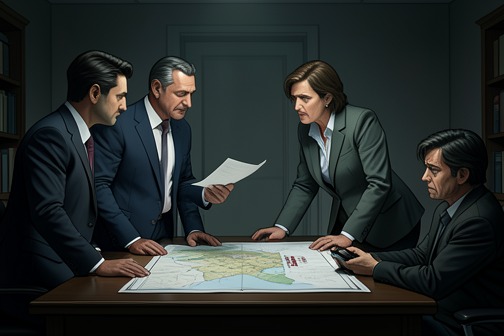
At the [Vienna](entity:location-recall-location-vienna-bce4fdda6904) station, [Ernst Pul](entity:character-recall-character-ernst-pul-ae7b9dcf569b) argued that [Austria](entity:location-recall-location-89f4a73979b6) was an unlikely target because it had few troops in Afghanistan and few relevant prisoners. [Celia Favreau](entity:character-recall-character-celia-favreau-aaded71536dc) countered that the attackers could choose a softer European target while making demands of several countries at once.
[Owen Lassiter](entity:character-recall-character-owen-lassiter-ce22ba01966c) warned that the operation might involve Austria and [Germany](entity:location-recall-location-a3c24dd56e42) together. The team had little firm information, and [Bill Compton](entity:character-recall-character-bill-compton-ecb1f0cfb3e8) arrived late after a crisis at home with [Sally Compton](entity:character-recall-character-sally-compton-10fd5a18d45f), leaving Celia and the others to begin without him.
Later that morning in December 2006
The Flight Threatens Europe
A European intelligence report linked the recently arrived Mashood Al-Fakeeh to [Ilyas Shishani](entity:character-recall-character-ilyas-shishani-a2cc91acbf0d), suggesting that a key planner for the approaching operation might already be in Europe. The connection made the earlier warning harder to dismiss.
The [Vienna](entity:location-recall-location-vienna-bce4fdda6904) station alerted its networks and tried to locate Ilyas Shishani. [Henry Pelham](entity:character-recall-character-henry-pelham-90e450bade8b) was expected to use his past relationship with the Chechen source to find him, but the search would prove frustrating.
December 2006
The Hijacking Begins
[Royal Jordanian Flight 127](entity:object-recall-object-royal-jordanian-flight-7351fb5f9787) landed at [Vienna Airport](entity:location-recall-location-a14eac5eadc0) after departing [Amman](entity:location-recall-location-2a59be7f73fd). Four members of [Aslim Taslam](entity:character-recall-character-aslim-taslam-94cbc44b776a) stood up after the plane touched down; [Suleiman Wahed](entity:character-recall-character-suleiman-wahed-b6b1f34eea30) shot a stewardess who had asked him to sit down.
The hijackers told the passengers that they were not planning to use the aircraft as a weapon and would release the hostages after their demands were met. Their deliberate opening move turned the plane into a hostage site on the airport tarmac.
The first hours of the hijacking
Children Moved to the Front
The hijackers moved the children to the front of [Flight 127 aircraft](entity:object-recall-object-flight-127-aircraft-5afebc889c22), making them human shields and leverage against any rescue attempt. They warned that a child would die if anyone interfered with their operation.
The remaining passengers were divided into groups, with Muslim passengers on one side and others opposite. The carefully enforced arrangement kept the cabin frightened and compliant while increasing the stakes of every decision outside the plane.
The first hours of the hijacking
The Prisoner Demands
The hijackers demanded the release of five prisoners, two held in [Austria](entity:location-recall-location-89f4a73979b6) and three in [Germany](entity:location-recall-location-a3c24dd56e42), within forty-eight hours. The Austrian government faced pressure from domestic politics, while German authorities considered the danger of yielding to an armed group
The afternoon of the hijacking
Aighar’s Warning
[Celia Favreau](entity:character-recall-character-celia-favreau-aaded71536dc) met her source Aighar Mansur at the Leopold Museum to ask what the Muslim community was saying about the hostage crisis. Aighar described divided reactions but argued that many sympathizers were armchair revolutionaries, attracted to militant certainty yet unwilling to live under the rule they praised.
She insisted that admiration for the hijackers’ faith did not necessarily mean approval of their actions. Aighar left Celia with a warning about the dangers of mistaking private talk for operational support.
The afternoon of the hijacking
The Search for Shishani
[Henry Pelham](entity:character-recall-character-henry-pelham-90e450bade8b) canvassed contacts for [Ilyas Shishani](entity:character-recall-character-ilyas-shishani-a2cc91acbf0d) but found no one who could place him. Shishani changed safe houses frequently and seemed impossible to catch, even though a European report suggested he had arrived in the region.
Celia and [Bill Compton](entity:character-recall-character-bill-compton-ecb1f0cfb3e8) received reports from their own sources while the station tried to coordinate a response. The absence of a clear lead left them dependent on fragments of intelligence and on a hostage inside the aircraft.
The evening of the first crisis day
A Future Deferred
[Celia Favreau](entity:character-recall-character-celia-favreau-aaded71536dc) met [Henry Pelham](entity:character-recall-character-henry-pelham-90e450bade8b) at [Restaurant Bauer](entity:location-recall-location-restaurant-bauer-6d31f68e39b8) and told him that a source on the plane had reported Russian being spoken by the hijackers. Henry immediately thought of [Ilyas Shishani](entity:character-recall-character-ilyas-shishani-a2cc91acbf0d), then admitted that he had once been responsible for Shishani as a source.
The conversation shifted to Henry’s proposal that Celia move in with him. She said she would think about it, still imagining both the intimacy and danger of sharing a home with a field agent whose work could bring enemies to their door.
Several hours into the hijacking
Ahmed’s First Messages
[Ahmed Najjar](entity:character-recall-character-ahmed-najjar-49a1169d6760), an Agency courier aboard [Flight 127 aircraft](entity:object-recall-object-flight-127-aircraft-5afebc889c22), secretly sent messages describing the hostages, the children, dwindling water, and an elderly Austrian passenger who had died. He suggested an assault through the rear landing gear, giving the station its first practical glimpse of conditions inside the cabin.
The team learned that Ahmed Najjar was on the plane by chance and had maintained a hidden phone despite the hijackers’ collection of passengers’ devices. His reports gave the station hope that someone could still provide usable intelligence from inside.
After Ahmed’s first reports
The Rear Assault Proposal
[Henry Pelham](entity:character-recall-character-henry-pelham-90e450bade8b) argued that the hijackers’ manifesto made negotiation pointless: [Aslim Taslam](entity:character-recall-character-aslim-taslam-94cbc44b776a) would not accept less than its demands. He proposed an assault through the aircraft’s rear landing gear before the deadline, even if the operation cost some hostages their lives.
[Celia Favreau](entity:character-recall-character-celia-favreau-aaded71536dc) objected that television crews were watching the plane and would infer an imminent assault if Austrian authorities cleared the perimeter. The station had no easy way to conceal preparations from the cameras or the hijackers.
During the hijacking
Ahmed Is Killed
A message from [Ahmed Najjar](entity:character-recall-character-ahmed-najjar-49a1169d6760) reported that an elderly passenger had died, and the Austrian authorities later identified him as Günter Heinz. The man’s body was lowered from the plane, confirming that the crisis was already producing deaths even before a rescue attempt began.
[Ahmed](entity:character-recall-character-ahmed-b8d0c475f8f3) continued sending messages, but his position inside the aircraft grew more precarious. The station still treated his reports as a narrow lifeline to the hostages.
Later that night during the hijacking
The Camera on the Undercarriage
[Ahmed Najjar](entity:character-recall-character-ahmed-najjar-49a1169d6760)’s next report said the hijackers had a camera on the aircraft’s underside and urged the station to abandon the proposed assault. The team could not verify the device on the available footage, but its existence would make a covert approach through the landing gear impossible.
The station debated whether [Ahmed](entity:character-recall-character-ahmed-b8d0c475f8f3)’s warning was genuine or whether he had been discovered and the hijackers had taken over his phone. The uncertainty stalled the only rescue plan anyone had developed.
Late that night during the hijacking
The Changed Writing
[Celia Favreau](entity:character-recall-character-celia-favreau-aaded71536dc) compared the messages sent from [Ahmed Najjar’s phone](entity:object-recall-object-ahmed-najjar-s-phone-754a7071ab44) and noticed a sudden change in grammar. The earlier reports were compressed and telegraphic; the final warning used fuller sentences and articles, suggesting a different writer.
She concluded that [Ahmed](entity:character-recall-character-ahmed-b8d0c475f8f3) had been discovered and that someone else had taken control of the phone. The possibility meant the station’s information had been compromised, but Celia had no proof yet of how the hijackers had found him.
Around midnight during the hijacking
The Call Record
[Celia Favreau](entity:character-recall-character-celia-favreau-aaded71536dc) decided to examine the embassy phone records, first obtaining permission through [Victor Wallinger](entity:character-recall-character-victor-wallinger-618527c8eebf)’s secretary after [Gene Wilcox](entity:character-recall-character-gene-wilcox-d14adedb93ff) refused to release them directly. She found a short call from [Bill Compton](entity:character-recall-character-bill-compton-ecb1f0cfb3e8)’s office line to a relay number in [Amman](entity:location-recall-location-2a59be7f73fd), placed at 9:38 p.m.
The record suggested that someone at the station had contacted a number connected to the hijackers. Celia did not immediately tell her colleagues; she left the office, used a public phone to call the relay, and heard a man answer in Russian.
After finding the call record
Celia Calls the Relay
[Celia Favreau](entity:character-recall-character-celia-favreau-aaded71536dc) could not speak Russian, but she recognized the language when the man answered the relay call. Rather than identify herself in English, she tried a German name and question, then hung up when the caller remained silent.
She understood that the call might connect the hijackers to [Ilyas Shishani](entity:character-recall-character-ilyas-shishani-a2cc91acbf0d). The discovery placed someone inside the embassy under suspicion and brought the crisis into the intimate territory of Celia’s relationship with [Henry Pelham](entity:character-recall-character-henry-pelham-90e450bade8b).
The night of the hijacking
The Missed Call
After having sex with [Henry Pelham](entity:character-recall-character-henry-pelham-90e450bade8b), [Celia Favreau](entity:character-recall-character-celia-favreau-aaded71536dc) noticed a missed call on his unfamiliar Siemens phone. The number began with the [Amman](entity:location-recall-location-2a59be7f73fd) country and city codes, matching the relay she had just called from a public phone.
She realized that Henry had a connection to the same number and began to suspect that he was tied to the leak. When he said he was leaving to pursue another lead, she hid her fear, but the discovery shattered her confidence in their plans to live together.
The following hours of the hijacking
The Spy Is Identified
Austrian television footage showed Ibrahim Zahir shooting [Ahmed Najjar](entity:character-recall-character-ahmed-najjar-49a1169d6760) after the hijackers identified him as a spy. Zahir shouted, “Take away your spy,” making clear that the courier had been exposed and that the hijackers knew the authorities had an agent aboard.
The footage confirmed the danger of the changed message, but not who had revealed [Ahmed](entity:character-recall-character-ahmed-b8d0c475f8f3)’s identity. [Celia Favreau](entity:character-recall-character-celia-favreau-aaded71536dc) had already found the embassy call record and Henry’s missed call, yet she still lacked the full story of what had forced him to contact [Ilyas Shishani](entity:character-recall-character-ilyas-shishani-a2cc91acbf0d).
The early morning after the hijacking began
Celia Returns to the Station
[Celia Favreau](entity:character-recall-character-celia-favreau-aaded71536dc) left Henry’s apartment and returned to the embassy, where she found the station still working through the crisis. She did not tell [Victor Wallinger](entity:character-recall-character-victor-wallinger-618527c8eebf) or [Bill Compton](entity:character-recall-character-bill-compton-ecb1f0cfb3e8) what she had discovered about Henry’s phone, though she knew the call to [Amman](entity:location-recall-location-2a59be7f73fd) could connect him to the exposure of [Ahmed Najjar](entity:character-recall-character-ahmed-najjar-49a1169d6760).
The decision left the station without the clue that might have identified the source of the leak. Celia stayed silent, caught between her duty to report the evidence and her attachment to the man she suspected.
The end of the December 2006 crisis
The Sarin Massacre
The hijacker started the plane's engine, obviously to activate the ventilation system, and the pilot began to suffocate. Austrian officials suspected the use of sarin and prepared antidotes, but they were unsure of what exactly had happened inside the cabin, so they did not act decisively. Finally
After the Flight 127 massacre
Celia Buries the Evidence
Celia Faverro still suspects Henry Pellew, but she cannot accept that the man she deeply loves has knowingly and deliberately helped the hijackers. She keeps the call records to herself, thinking that neither the trial nor the investigation can bring the dead back to life, and perhaps would ruin Henry
After the December 2006 crisis
The Relationship Ends
After the crisis, Celia Faverro left [Vienna](entity:location-recall-location-vienna-bce4fdda6904), ending her relationship with Henry Pellow. She was afraid of the suspicion and guilt that now filled the city, and also afraid she would not be able to fully trust the man she loved. Within a few months, she married Drew Faver
The years after 2006
A New Family in Carmel
Celia Faverro and Drew Faverro established a family life in [Carmel-by-the-Sea](entity:location-recall-location-by-the-sea-e5ca7189bb62), raising Evan Faverro and Ginny Faverro. She did some local work, participated in volunteer activities, and worked hard to put her past intelligence career behind her, although that past was
The years after the massacre
The Flughafen Nightmares
Celia Faver still dreams of Flight 127. After becoming a mother, those images become more unbearable. She imagines her children being taken away and feels how easily parents would find excuses for extreme violence to protect their children. The trauma has been lurking beneath her calm life in [California](entity:location-recall-location-7255928c66a8)
About two months before October 16, 2012
Frankler Is Opened
A detainee named Ilias Hishani told interrogators that an American embassy source had helped the attacker at [Vienna Airport](entity:location-recall-location-a14eac5eadc0). After hearing this, Larry Daniels suggested there might be an insider within. Victor Wolling dispatched Henry Pellerin, using the code name "Frankler," to investigate
Before October 16, 2012
Henry Interviews Bill
Henry Pellew went to [London](entity:location-recall-location-1bfd335cdd1b) to visit [Bill Compton](entity:character-recall-character-bill-compton-ecb1f0cfb3e8), inquiring about the [Vienna](entity:location-recall-location-vienna-bce4fdda6904) crisis and using the old code name "Red" to indicate the matter was urgent. He described the investigation as a request from an external analyst, then relentlessly questioned Bill about the Vienna station's response and Bill's
Before October 16, 2012
The Embassy Records Resurface
While questioning [Gene Wilcox](entity:character-recall-character-gene-wilcox-d14adedb93ff) and personally checking old records, Henry Pellow learned that that night, Celia Faverov had retrieved embassy phone records. The records showed that [Bill Compton](entity:character-recall-character-bill-compton-ecb1f0cfb3e8)'s line had made calls connected to an intermediate number in [Amman](entity:location-recall-location-2a59be7f73fd)
September 28 to October 1, 2012
Henry Invites Celia
Henry Pellow wrote a letter to Celia Faverov, suggesting they have dinner together while he goes to Santa Cruz for a company event. He described the meeting as a chance to catch up and asked about old [Vienna](entity:location-recall-location-vienna-bce4fdda6904) investigation opportunities, but concealed his true purpose
Early October 2012
Bill Warns Celia
Henry Pellow interrogated [Bill Compton](entity:character-recall-character-bill-compton-ecb1f0cfb3e8) in [London](entity:location-recall-location-1bfd335cdd1b). After that, Bill called Celia Faverov, warning her that Henry was re-investigating the case of flight 127. He told her that Henry had asked about the phone records and seemed to be gradually focusing his suspicion
Early October 2012
Celia Contacts Karl
Celia Faverlo contacted Carl Stan. Carl had been an intelligence officer and had also asked her to assist in investigating [Bill Compton](entity:character-recall-character-bill-compton-ecb1f0cfb3e8). She arranged a secure way to talk and told him that Henry Pellew was coming to Carmel, and she thought he was a threat
Before October 16, 2012
The Counteroperation Takes Shape
Celia Faverro and Carl Stan arranged a secret mission to have dinner at the Rendez-vous restaurant. Carl arranged the chef and bar staff, while Celia insisted that the on-site arrangements must make sense and tried to control the risk brought by the restaurant's permanent female server. The mission team
October 16, 2012
Henry Arrives in California
Henry Pellew's journey to [California](entity:location-recall-location-7255928c66a8) was exhausting due to delays. On a short flight to Monterey, he talked with a stranger named Barbara Jacks. She confided her troubles in marriage, and Henry advised her not to blame herself for her husband's possible infidelity. He rented a convertible and
October 16, 2012 before dinner
Henry Hires Treble
Before entering Rendez-vous restaurant, Henry Pellow contacted Treble on a used prepaid phone. Treble was an operative he had hired, waiting nearby. Henry described a possible scenario: Treble might have to take action against Celia Faverro, but he hoped he would not need to use
October 16, 2012 early evening
The Empty Restaurant
Henry Pellow arrived early at Rendez-vous restaurant, intending to have a martini, but found that the bar only served wine. He had to order a Chardonnay white wine and looked around at the modern and elegant restaurant. It made him think about how much his memory of Celia
October 16, 2012 at seven in the evening
Celia and Henry Reunite
[Celia Favreau](entity:character-recall-character-celia-favreau-aaded71536dc) arrived at the restaurant, and [Henry Pelham](entity:character-recall-character-henry-pelham-90e450bade8b) greeted her with an awkward embrace and a mistimed kiss. They exchanged polite remarks about her husband, children, and Henry’s supposed work trip, while their old attraction remained visible beneath the conversation.
Celia described Carmel as a place where people came after enterprise, not to pursue it. Henry heard in her answer both the peace she had chosen and the distance she had built from their former life.
Early in the October 16 dinner
Celia Describes Her New Life
Over drinks, [Celia Favreau](entity:character-recall-character-celia-favreau-aaded71536dc) described motherhood, the routines of family life, and the social world of other parents. She insisted that she had left [Vienna](entity:location-recall-location-vienna-bce4fdda6904) and the intelligence service behind, even as [Henry Pelham](entity:character-recall-character-henry-pelham-90e450bade8b) probed at what she had surrendered.
Her description made Henry confront the fact that she had chosen a different life rather than merely moved away. Their conversation revealed how each had turned the other into a memory: he had kept an idealized image of her, while she had made a deliberate effort to become someone else.
Early in the October 16 dinner
The Vienna Inquiry Begins
[Henry Pelham](entity:character-recall-character-henry-pelham-90e450bade8b) raised the 2006 crisis under the cover of an inquiry prompted by an international investigator. He told [Celia Favreau](entity:character-recall-character-celia-favreau-aaded71536dc) that he was gathering perspectives to close the file, while concealing the pressure he felt to identify the person behind the leak.
Celia recognized that the conversation was more than a friendly reunion and asked whether she was being interviewed. Henry denied the full seriousness of his purpose, leaving both of them to navigate an interrogation disguised as dinner.
Midway through the October 16 dinner
Celia’s Account of Vienna
[Celia Favreau](entity:character-recall-character-celia-favreau-aaded71536dc) recalled working under [Bill Compton](entity:character-recall-character-bill-compton-ecb1f0cfb3e8) in [Vienna](entity:location-recall-location-vienna-bce4fdda6904), managing sources and enjoying the privileged access that her job provided. She described the intelligence service as an addiction to secret knowledge and explained that, beneath her professional identity, she had always longed for a family.
[Henry Pelham](entity:character-recall-character-henry-pelham-90e450bade8b) wondered whether the domestic woman before him was Celia’s authentic self or another construction. Her account unsettled his memories of their relationship and made him question whether he had loved Celia herself or an image shaped by his own desires.
Midway through the October 16 dinner
Celia Explains Her Memory
[Celia Favreau](entity:character-recall-character-celia-favreau-aaded71536dc) said she had begun keeping notes because her deliberate removal of objects from her past was also erasing her memories. She wanted to leave something for her children, even if the account contained painful or compromising material.
Her reflections turned the conversation toward what children inherit from parents and what a person chooses to forget. Henry listened while trying to keep the meeting focused on the 2006 events that had brought him across the world.
Later in the October 16 dinner
The Hijacking Returns
[Celia Favreau](entity:character-recall-character-celia-favreau-aaded71536dc) spoke about her recurring nightmares of Flight 127 and imagined what she might have done if her own children had been aboard. She believed that parental love could make a person capable of violence that ordinary moral rules would not permit.
Her account brought the hostage crisis into the restaurant, where [Henry Pelham](entity:character-recall-character-henry-pelham-90e450bade8b) was trying to treat it as a file rather than a catastrophe. Their competing ideas of romantic and parental love foreshadowed how differently they understood what had happened between them.
Later in the October 16 dinner
Henry’s Health Fails
[Henry Pelham](entity:character-recall-character-henry-pelham-90e450bade8b) grew increasingly ill as the meal continued. He coughed, felt pain in his stomach, and later noticed that his urine had turned pink, but he attributed the symptoms to age, alcohol, or rich food.
The physical distress made it harder for him to control the conversation. [Celia Favreau](entity:character-recall-character-celia-favreau-aaded71536dc) noticed his weakness but did not immediately explain what was happening, while Henry continued to press her about the call records and her role in the old investigation.
During the October 16 dinner
Treble Appears
In the restaurant bathroom, [Henry Pelham](entity:character-recall-character-henry-pelham-90e450bade8b) encountered Treble, whom he had expected to remain an unseen contingency. Treble had followed Henry from the airport and identified him through the old phone and his arrival in town.
The encounter reminded Henry that the hired operative was nearby and ready to act. It also made his private plan less abstract: he was no longer merely investigating Celia but had arranged for someone to kill her if he decided she was a traitor.
Later in the October 16 dinner
Celia Challenges Henry
[Henry Pelham](entity:character-recall-character-henry-pelham-90e450bade8b) pressed [Celia Favreau](entity:character-recall-character-celia-favreau-aaded71536dc) about the embassy phone logs, asking why she had investigated them and then concealed what she found. Celia admitted that she had seen the call to [Amman](entity:location-recall-location-2a59be7f73fd) but claimed that the record had not mattered to her.
Henry treated the concealment as incriminating evidence and presented the choice as a question of whether she had protected [Bill Compton](entity:character-recall-character-bill-compton-ecb1f0cfb3e8) or herself. His certainty left little room for the possibility that Celia had hidden the information to protect someone else.
Later in the October 16 dinner, recalling the 2006 night
Celia Recounts the Phone Discovery
[Celia Favreau](entity:character-recall-character-celia-favreau-aaded71536dc) described finding a missed call from [Amman](entity:location-recall-location-2a59be7f73fd) on [Henry Pelham’s Siemens phone](entity:object-recall-object-henry-pelham-s-siemens-be13f8103a72) after their last night together in [Vienna](entity:location-recall-location-vienna-bce4fdda6904). She understood that the number connected him to the relay and began to suspect that he had been in contact with [Ilyas Shishani](entity:character-recall-character-ilyas-shishani-a2cc91acbf0d).
She remembered leaving Henry’s apartment without confronting him directly. The detail supplied the missing context for her disappearance from his life and showed why she had continued to carry suspicion even while she kept the evidence hidden.
Late in the October 16 dinner
Henry Accuses Celia
[Henry Pelham](entity:character-recall-character-henry-pelham-90e450bade8b) accused [Celia Favreau](entity:character-recall-character-celia-favreau-aaded71536dc) of withholding evidence about the leak and suggested that she had protected [Bill Compton](entity:character-recall-character-bill-compton-ecb1f0cfb3e8) or herself. He believed her silence made her the strongest remaining suspect and expected her to break under the pressure.
Celia challenged his logic, asking whether the existence of the call proved that she had colluded with [Ilyas Shishani](entity:character-recall-character-ilyas-shishani-a2cc91acbf0d). Henry demanded that she explain what other conclusion could be drawn, but his investigation had become entangled with his longing for her and his need to justify the past.
Near the end of the October 16 dinner
Celia Reveals the Truth
[Celia Favreau](entity:character-recall-character-celia-favreau-aaded71536dc) explained that she had initially suspected [Bill Compton](entity:character-recall-character-bill-compton-ecb1f0cfb3e8), but eventually believed the call was connected to [Henry Pelham](entity:character-recall-character-henry-pelham-90e450bade8b). After the massacre, she chose to bury the evidence because she could not be certain of his guilt and did not want to destroy him when the dead could not be brought back.
She told Henry that her silence had protected him, not Bill or herself. The admission reversed his accusation and exposed the personal loyalty hidden inside what he had treated as a simple case of institutional concealment.
Near the end of the October 16 dinner, recalling December 2006
Shishani’s Threat Explained
[Henry Pelham](entity:character-recall-character-henry-pelham-90e450bade8b) finally told [Celia Favreau](entity:character-recall-character-celia-favreau-aaded71536dc) why he had contacted [Ilyas Shishani](entity:character-recall-character-ilyas-shishani-a2cc91acbf0d): Shishani had threatened to kill her if Henry refused to cooperate. Henry passed information about [Ahmed Najjar](entity:character-recall-character-ahmed-najjar-49a1169d6760) to the man who could reach the hijackers, hoping to keep Celia alive.
The disclosure reframed Henry’s betrayal as an act of coerced protection, though it could not erase the deaths aboard Flight 127. Henry insisted that he had done it for Celia and then felt abandoned when she left him, revealing how strongly he had expected gratitude and a shared future in return.
Near the end of the October 16 dinner
Celia’s Counterclaim
[Celia Favreau](entity:character-recall-character-celia-favreau-aaded71536dc) rejected [Henry Pelham](entity:character-recall-character-henry-pelham-90e450bade8b)’s attempt to turn his sacrifice into a claim on her. She said that romantic love had never been equivalent to the bond she now felt for her children, and she refused to treat motherhood as a lesser life than the one she had shared with Henry.
Her words made clear that she had not left [Vienna](entity:location-recall-location-vienna-bce4fdda6904) to punish him, nor had she preserved their relationship as an unfinished promise. Henry’s expectation that she would understand his choice could not override the life she had built without him.
Late in the October 16 dinner
Henry Names His Motive
[Henry Pelham](entity:character-recall-character-henry-pelham-90e450bade8b) admitted that he had contacted [Ilyas Shishani](entity:character-recall-character-ilyas-shishani-a2cc91acbf0d) to save [Celia Favreau](entity:character-recall-character-celia-favreau-aaded71536dc) and believed they were about to build a life together. He connected the act to the apartment they had almost shared and to the hope that their relationship would survive the [Vienna](entity:location-recall-location-vienna-bce4fdda6904) crisis.
Celia did not respond with the recognition he wanted. She had understood his action as part of a larger catastrophe, while Henry had carried it as a private sacrifice whose meaning he expected her to share.
The final moments of the October 16 dinner
The Poison Is Disclosed
[Celia Favreau](entity:character-recall-character-celia-favreau-aaded71536dc) told [Henry Pelham](entity:character-recall-character-henry-pelham-90e450bade8b) that the veal he had eaten was poisoned and that he did not have long to live. Her team had arranged the meal as a controlled operation, but the regular waitress had realized something was wrong after seeing the food being dosed.
Henry understood that Celia’s side had moved beyond investigation to an extrajudicial killing. She apologized, and he thanked her for having once been the person he tried to save, even as the poison began to overwhelm him.
October 16, 2012 near the ending
Henry Accepts Treble’s Offer
As [Celia Favreau](entity:character-recall-character-celia-favreau-aaded71536dc) walked away from the restaurant, Treble called [Henry Pelham](entity:character-recall-character-henry-pelham-90e450bade8b) and said he had her in sight. He offered to kill her immediately, describing the opportunity as clean and unlikely to recur.
Henry was dying from the poison and could barely follow the conversation. He answered, “Natch,” an ambiguous but affirmative-sounding reply that left the novel’s final act suspended between consent, reflex, and the last trace of his attachment to Celia.